Sources · provenance · limitations
Methodology: sources, provenance, and limitations
Everything on this page is inspectable: where the material came from, what the labels mean, where the gaps are, who made the images, and who pays for the site (no one).
How this site was researched
All content was researched and written during a single observation window: 2026-09-25. Figures are labeled with their source and year; survey data lags real events by one to two years, so treat every number as a dated snapshot, not a live reading.
- Global headcounts: Pew Research Center (self-identification in censuses and surveys), the Center for the Study of Global Christianity (affiliation estimates), and the Vatican (baptismal records reported by dioceses). They measure different things and never agree exactly — that is expected, not a scandal. Sources and years are printed next to every figure.
- Community voices: verbatim quotes from public Instagram and Facebook reel comments and christianforums.net threads (2025–2026), with source URLs and dates. A convenience sample, not a representative one; English-language only.
- Tradition descriptions: checked against primary sources where available (the Vatican Catechism, the World Council of Churches) and standard reference works; each tradition is described in its own terms.
- Fact-checks: each hype-audit verdict cites its evidence and date. Where a source’s editorial backing is uncertain, that is stated on the page.
What the labels mean
- Verdicts (hype audit): true, false, mixed, disputed, unverified, or stale / conflated — always with the evidence and its date. A claim debunked in the hype audit is not repeated as fact anywhere else on this site.
- Confidence notes (timeline): how solid the dating of each entry is, and which source it rests on. Two dates rest on medium-confidence sources and are flagged for a future corroboration pass.
- Heat levels (debates): reflect observed online engagement, not importance.
- UNVERIFIED means no data was collected to support or refute the claim — not that it is false.
Limitations, stated openly
- Community evidence is English-language and comes from public social-media comments and forums. Non-English Christianity — Latin America, Africa, Asia — is a blind spot.
- Denomination sketches are thumbnail-level; each contains its own internal spectrum. Precise current membership figures for individual denominations were not collected.
- The timeline centers the Western story; Eastern, African, and Asian Christian histories are underrepresented.
- Images skew toward Western photographers, despite an active effort to diversify.
- This site describes what traditions teach; it does not adjudicate which is true.
Image rights and provenance
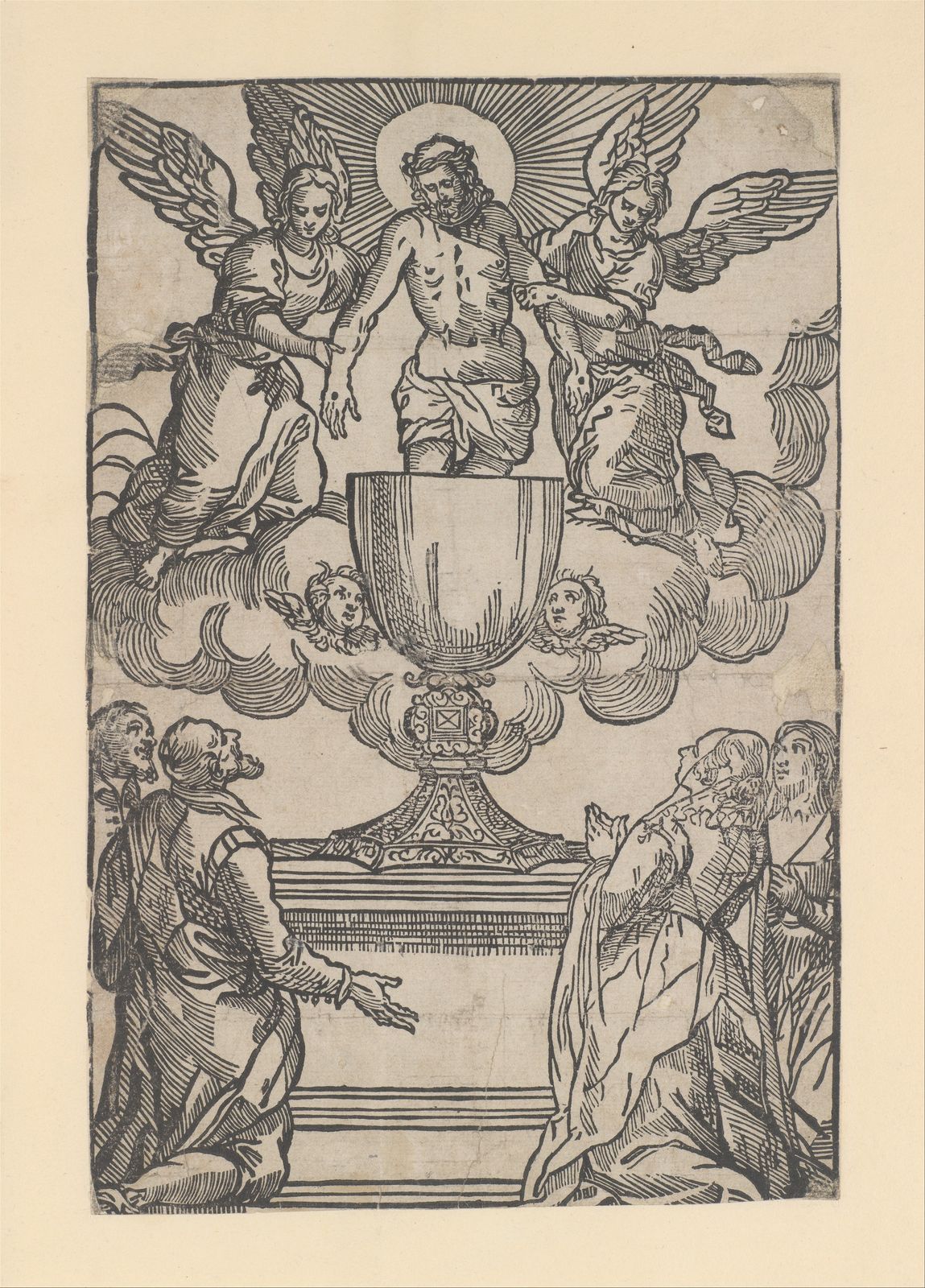
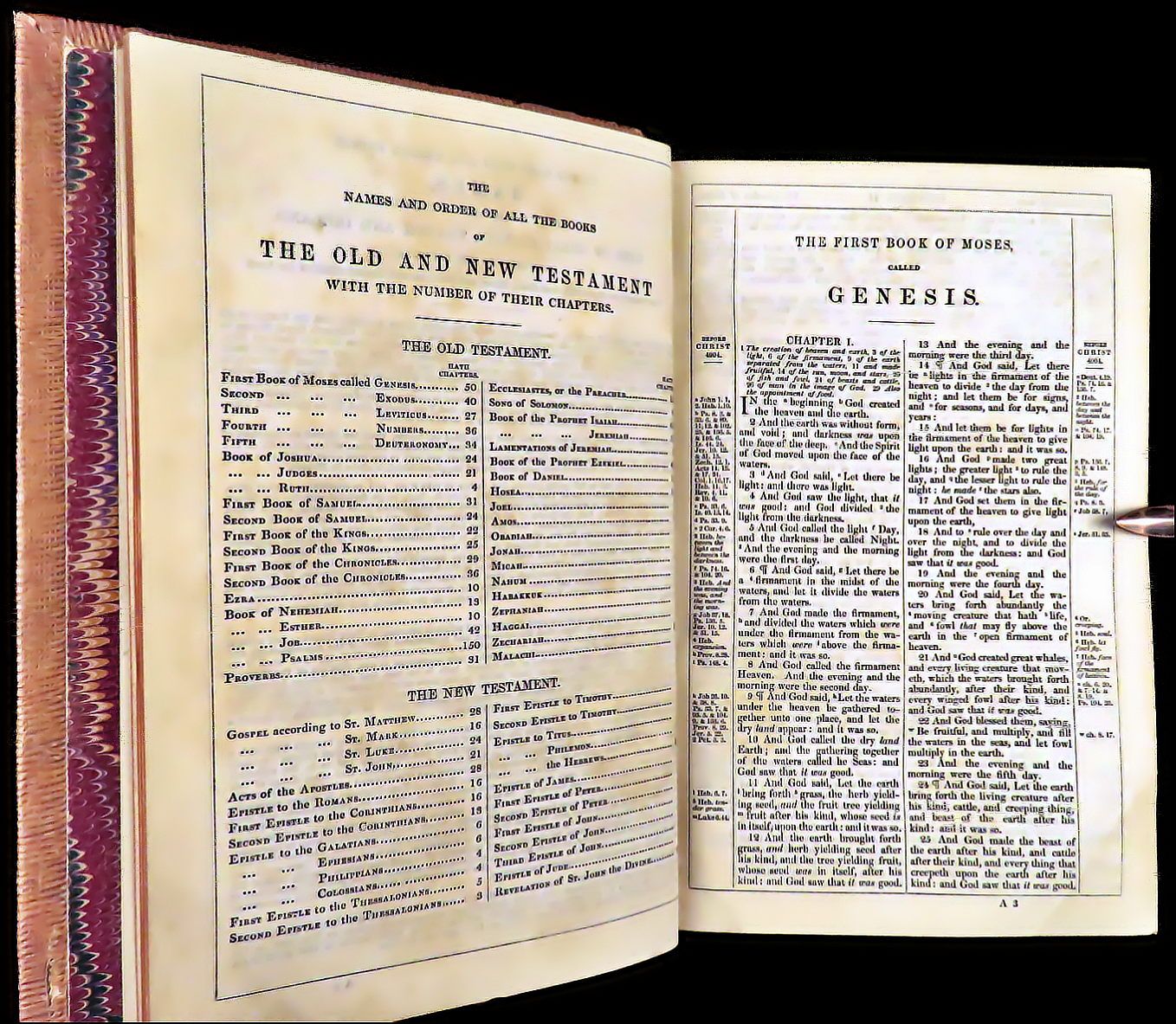
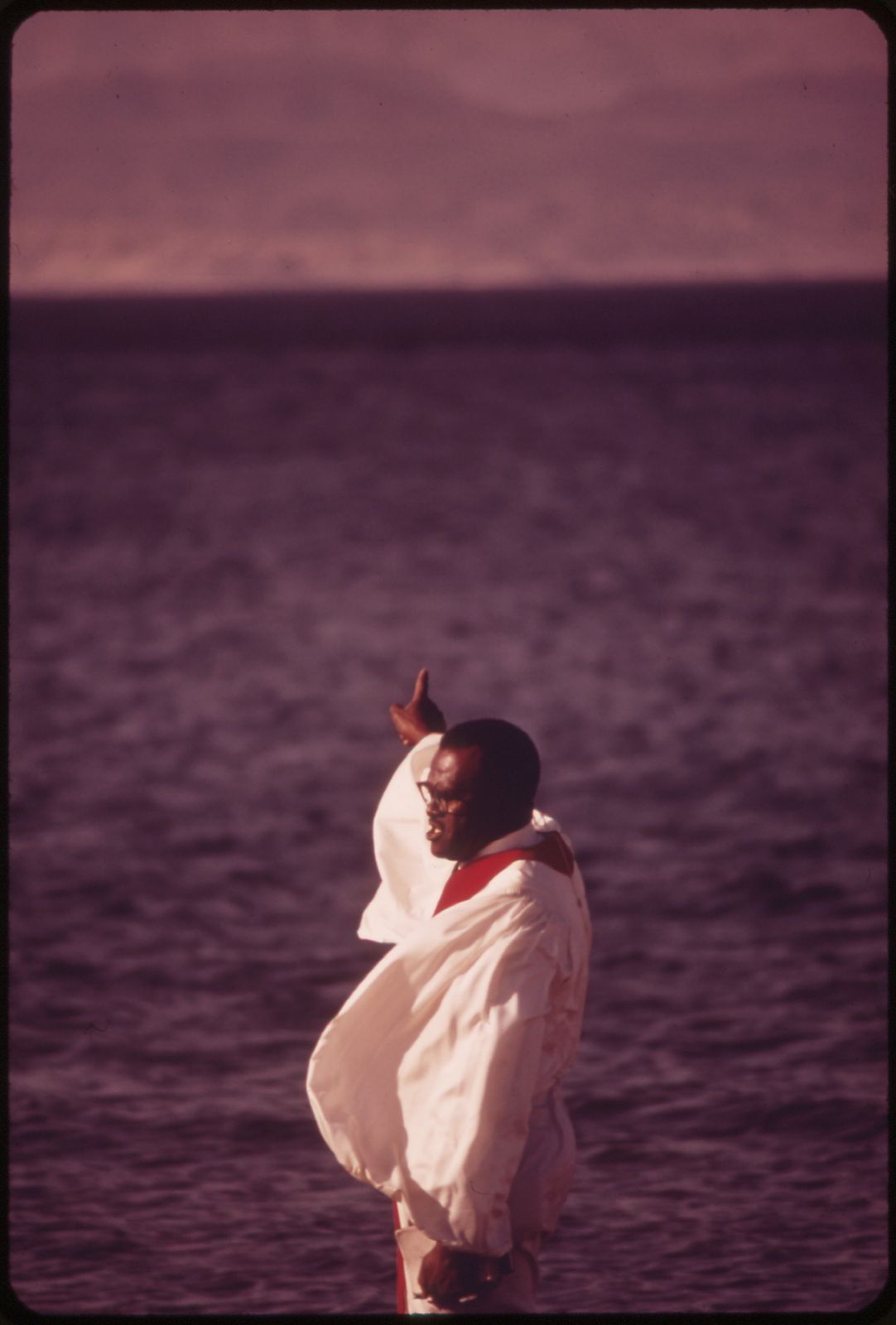
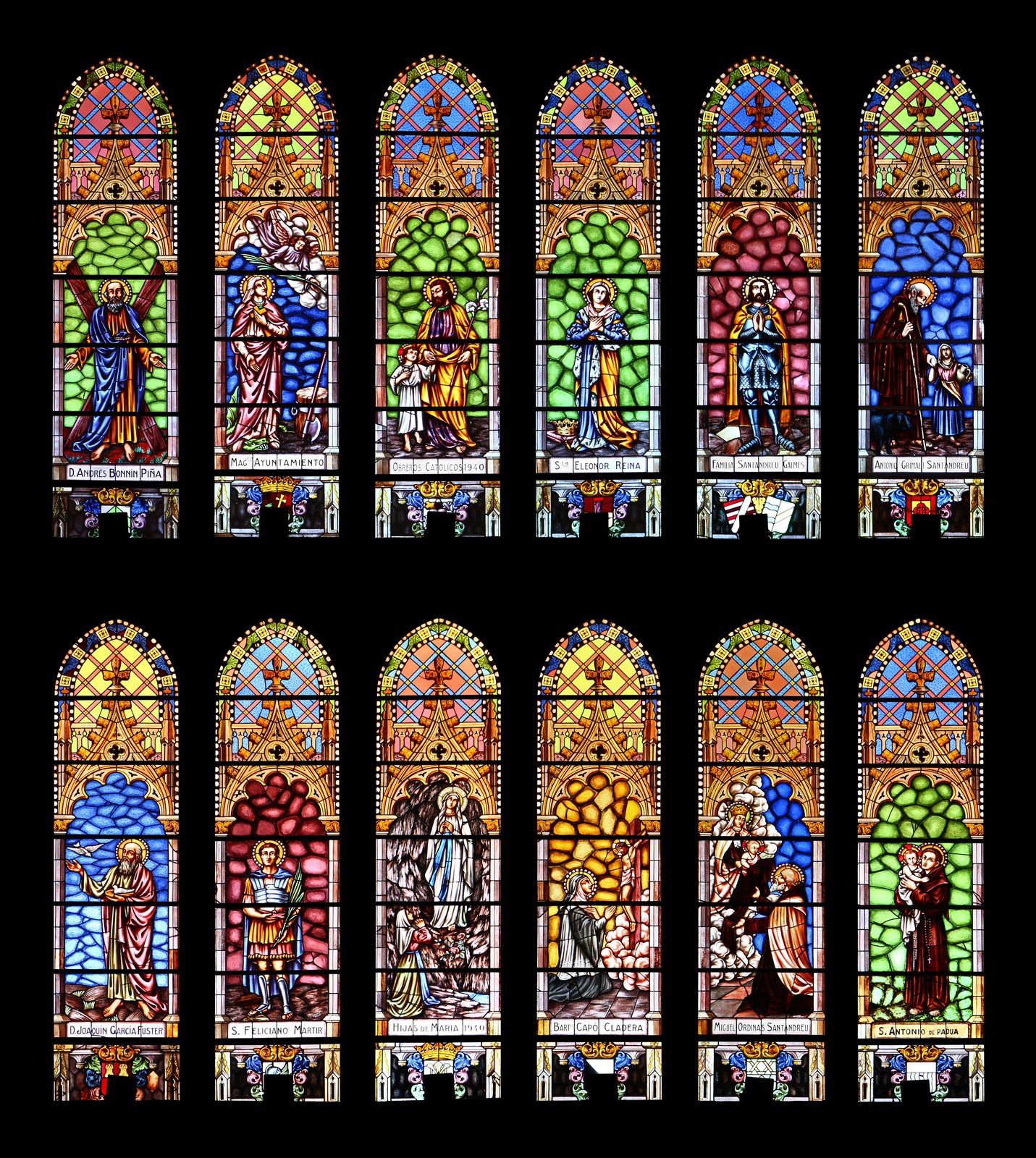
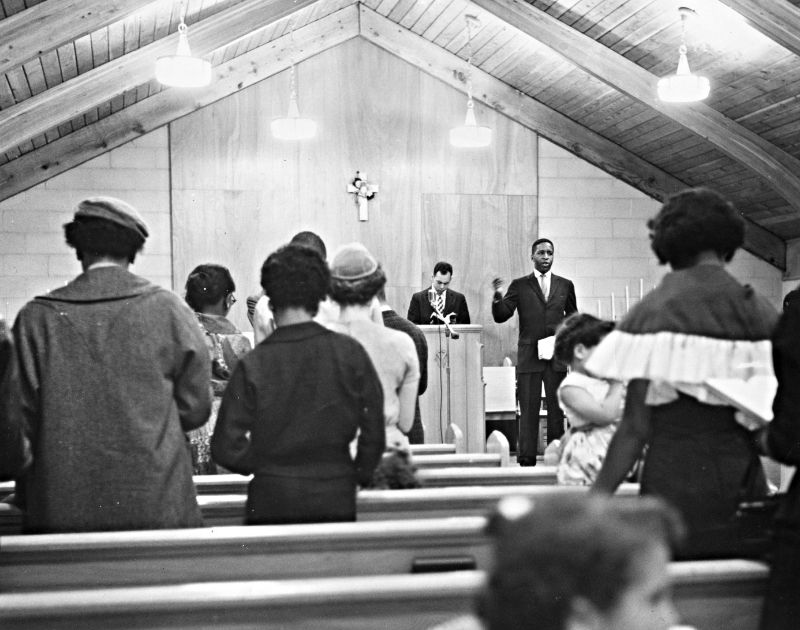
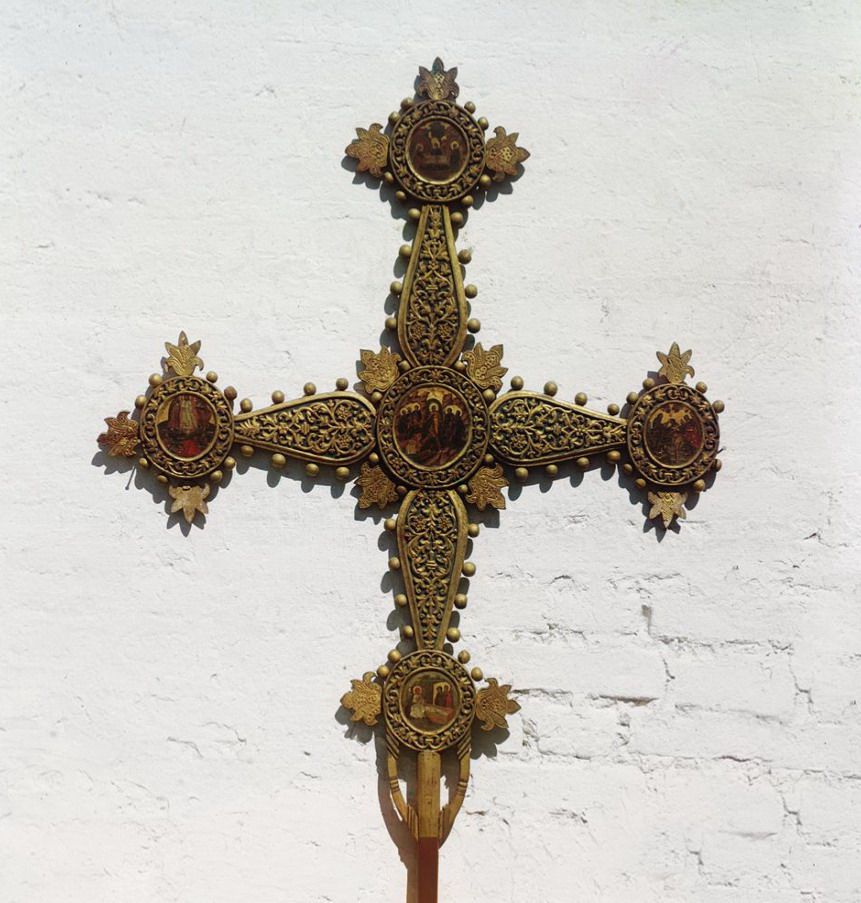
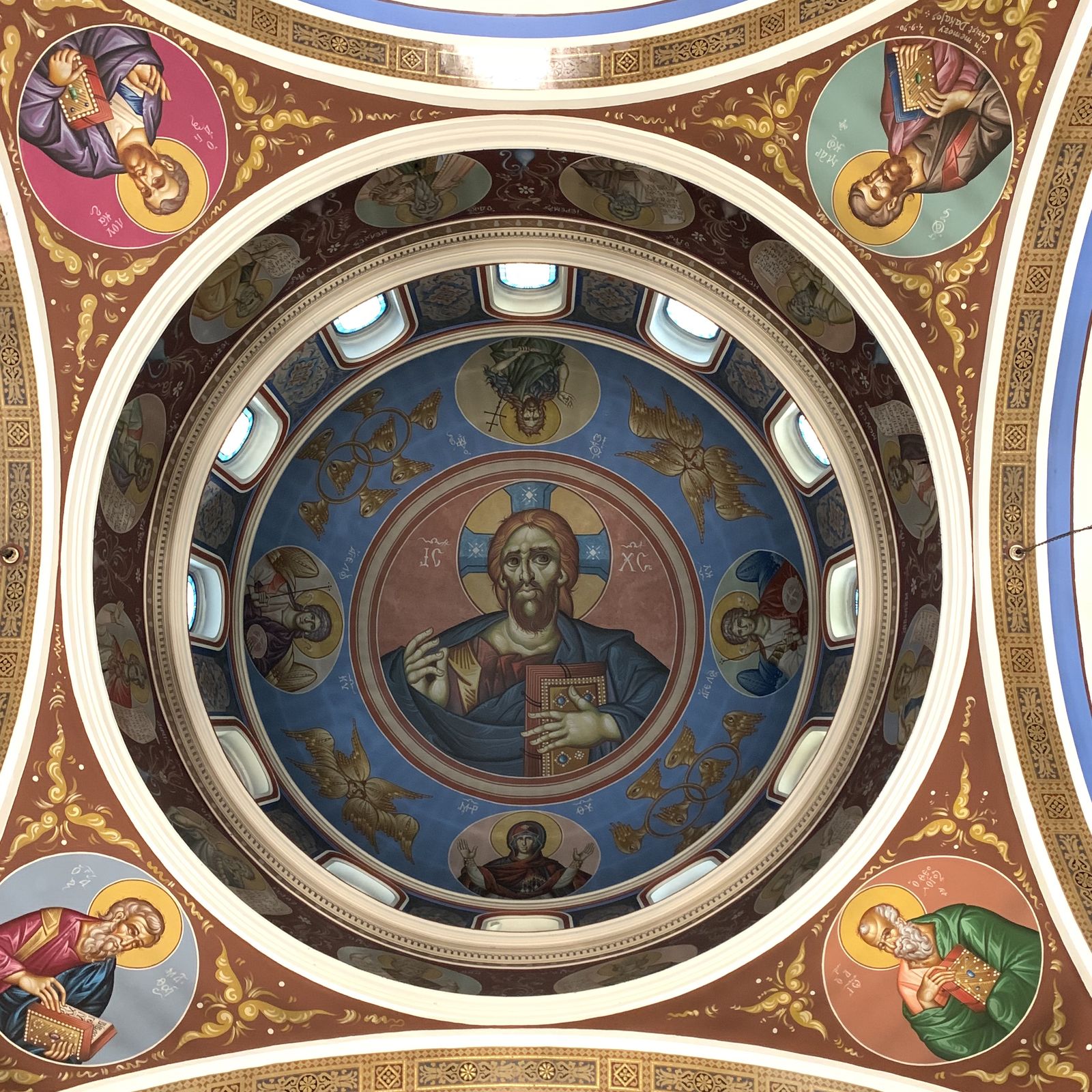
Every photograph and artwork on this site is a real, rights-cleared image sourced from Wikimedia Commons (public domain, CC0, or Creative Commons licenses), retrieved 2026-09-25. Web copies are resized to a maximum of 1600 pixels on the long edge (JPEG, quality 80) with metadata stripped; originals are archived separately. " No generated stand-ins are used for real places or objects. The worked example below shows the provenance recorded for each image:
| Subject | Creator / source | License | Retrieved via |
|---|---|---|---|
| Prayer candles in church | Serge Melki | CC BY 2.0 | Wikimedia Commons |
| Open Bible (historic 1873 printing) | Eyre and Spottiswoode (publisher); translators of the King James Bible | Public domain | Wikimedia Commons |
| Baptism ceremony | Charles O’Rear | Public domain | Wikimedia Commons |
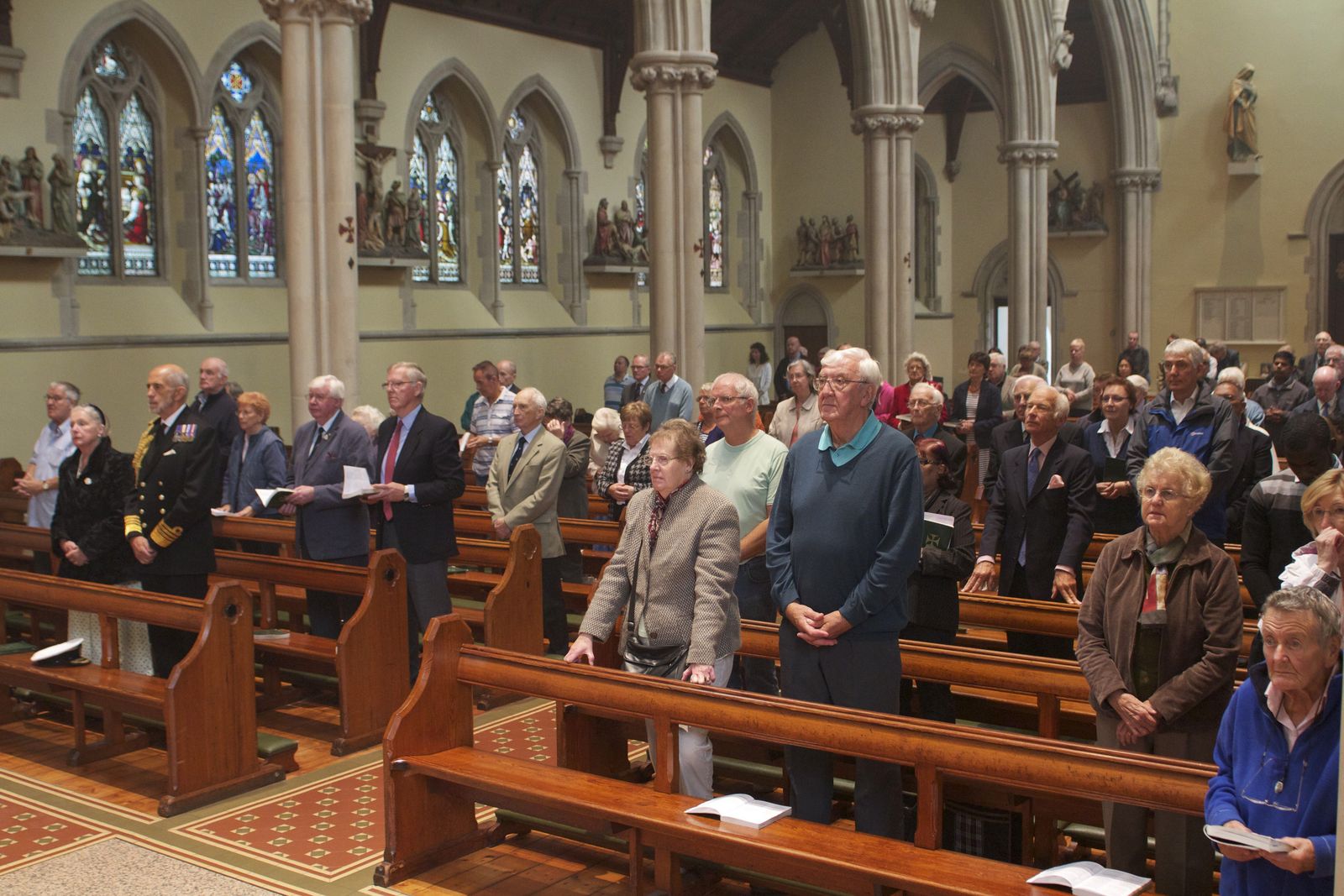
| Catholic Mass / congregation | Stella Maris UK | Public domain | Wikimedia Commons |
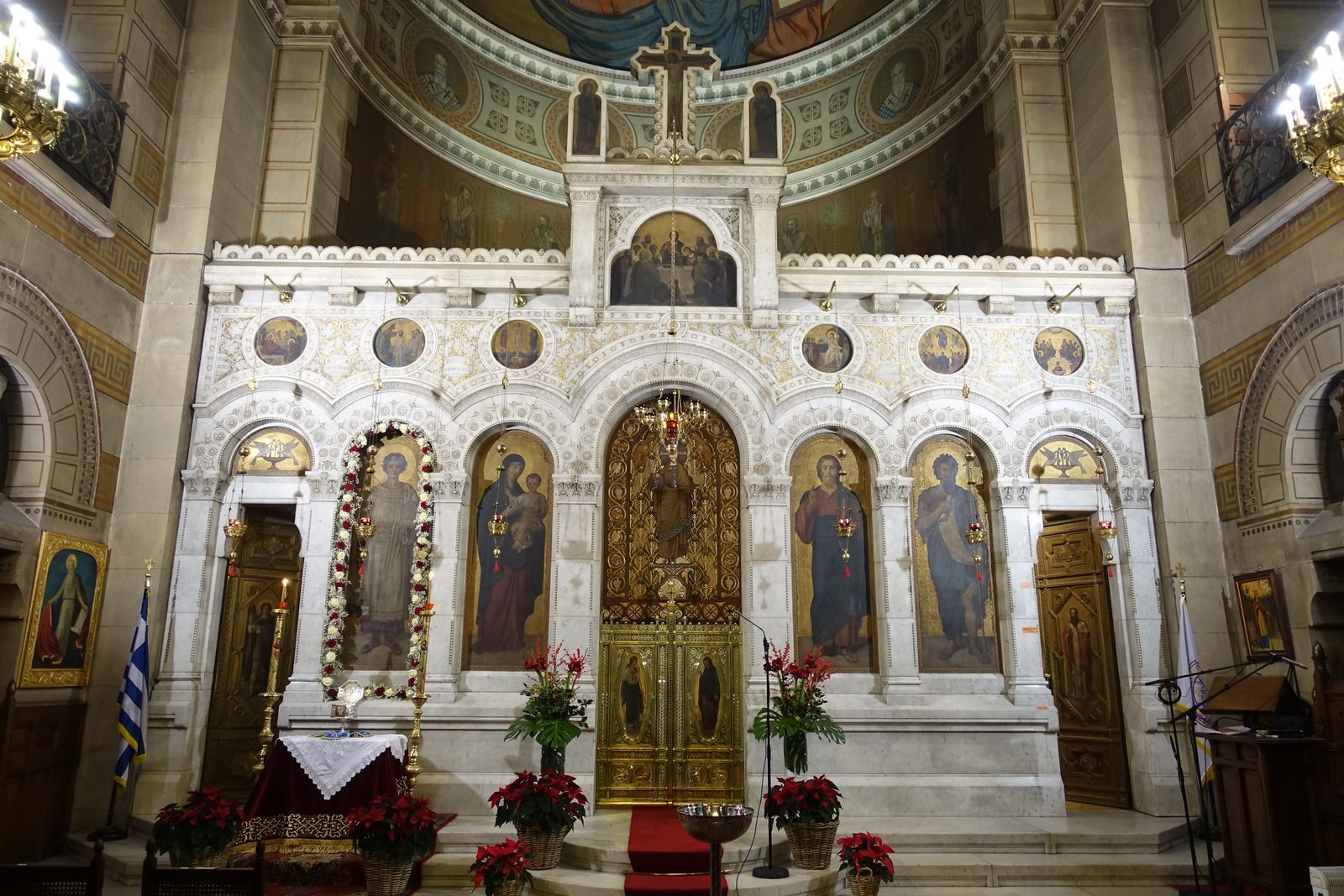
| Orthodox cathedral interior with iconostasis | Guilhem Vellut | CC BY 2.0 | Wikimedia Commons |
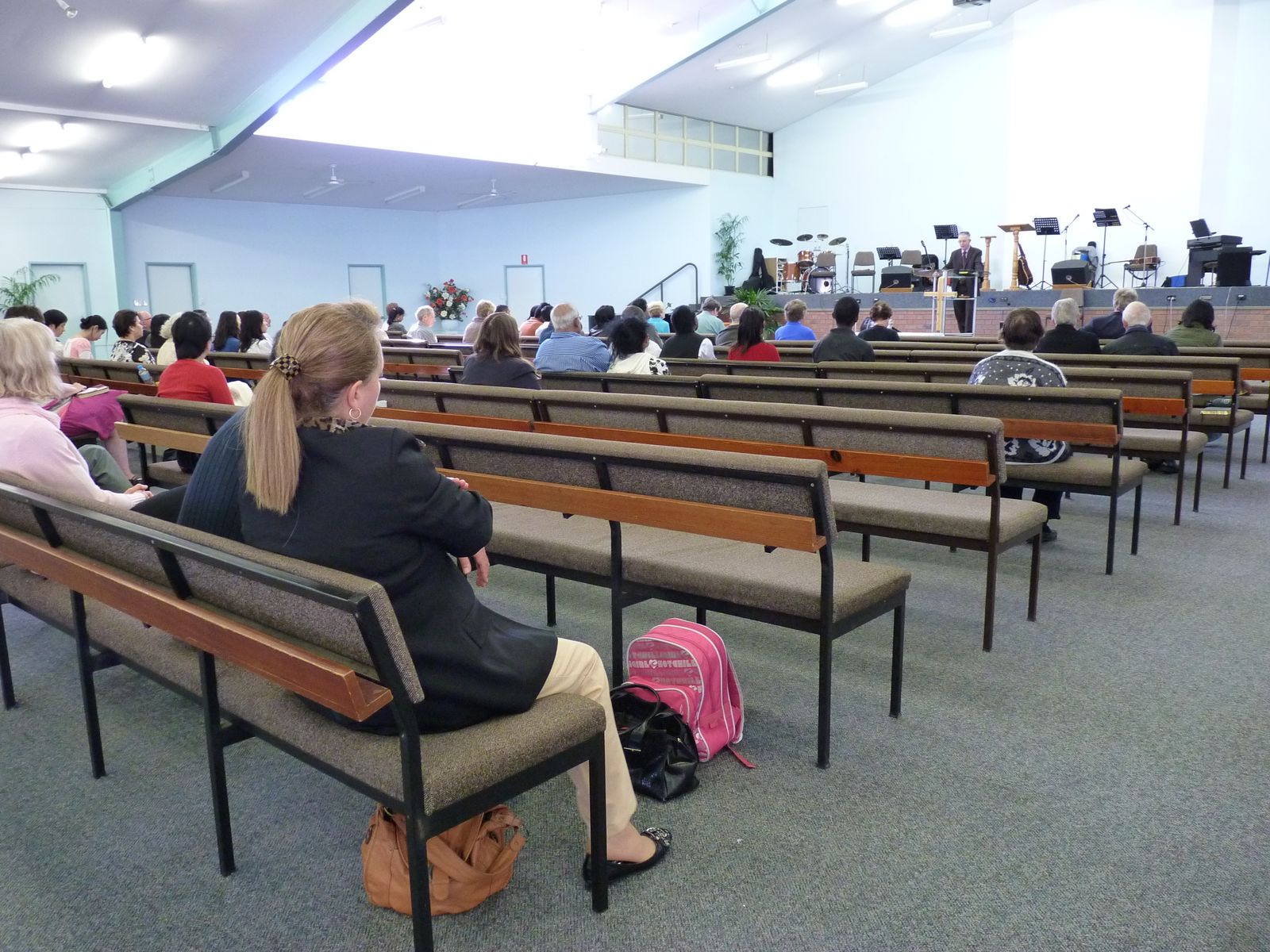
| Protestant (Pentecostal) worship service congregation | John Robert McPherson | CC BY-SA 4.0 | Wikimedia Commons |
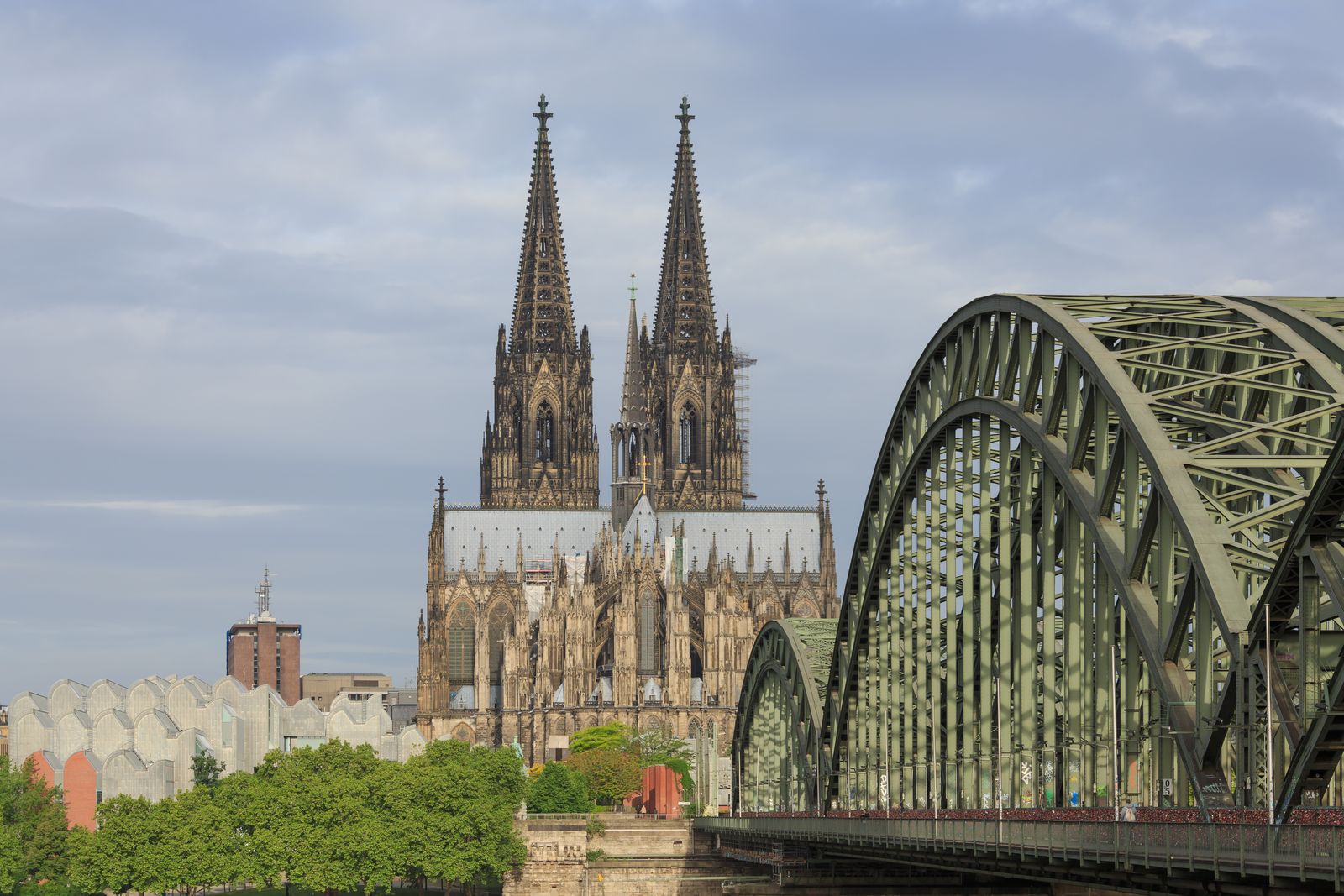
| Cathedral exterior (Cologne Cathedral) | CEphoto, Uwe Aranas | CC BY-SA 4.0 | Wikimedia Commons |
| Stained glass windows in church | H. Zell | CC BY-SA 3.0 | Wikimedia Commons |
| Eucharist art (Christ as Man of Sorrows in chalice) | Anonymous | CC0 | Wikimedia Commons |
| Church congregation singing | Mennonite Church USA Archives | No restrictions | Wikimedia Commons |
| Cross / crucifix behind church altar | Sergei Prokudin-Gorsky | Public domain | Wikimedia Commons |
| Orthodox icon of Christ | Bagabondo | CC BY-SA 4.0 | Wikimedia Commons |
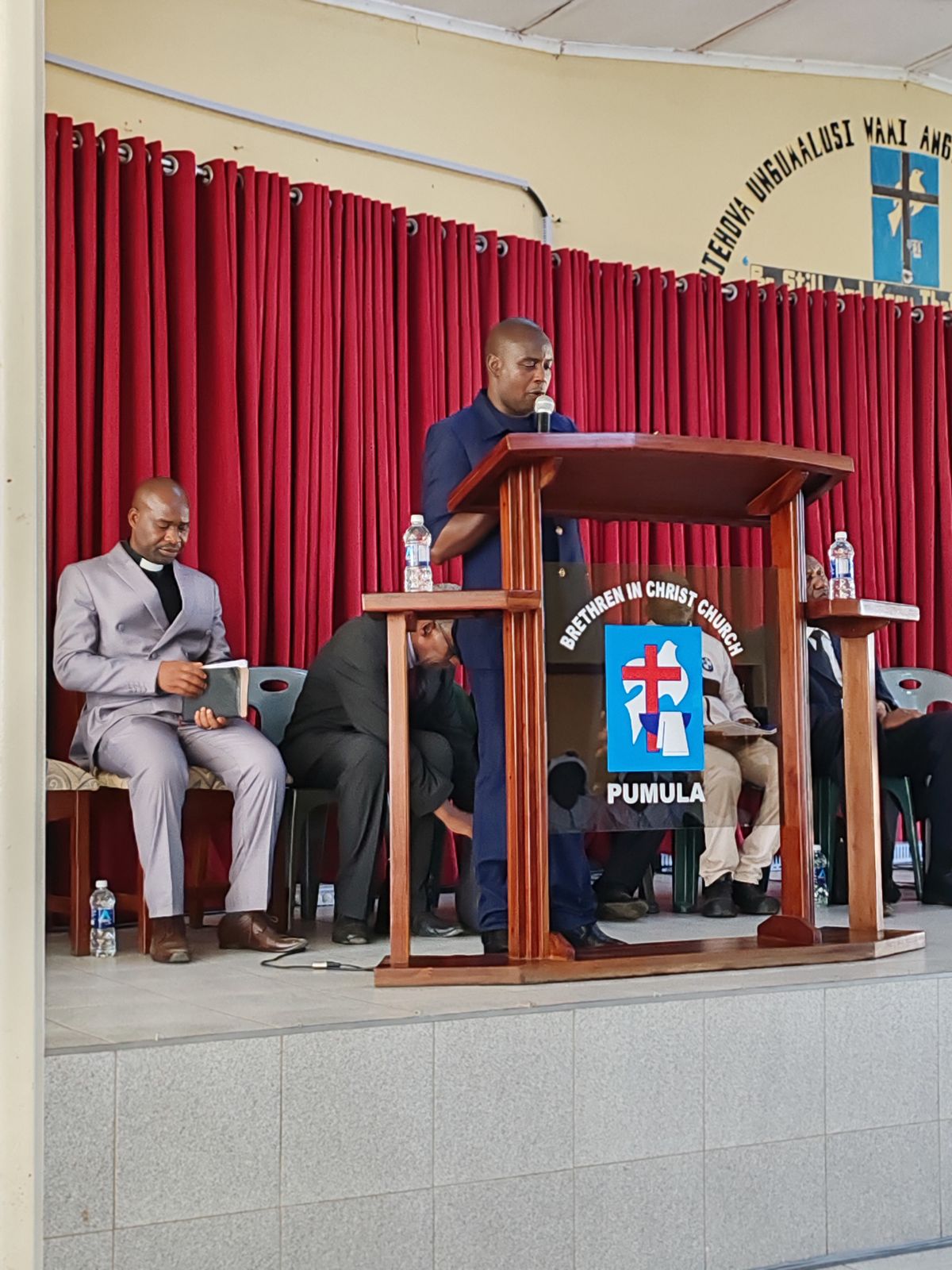
| Pastor preaching in church | Mawakhiwe | CC0 | Wikimedia Commons |
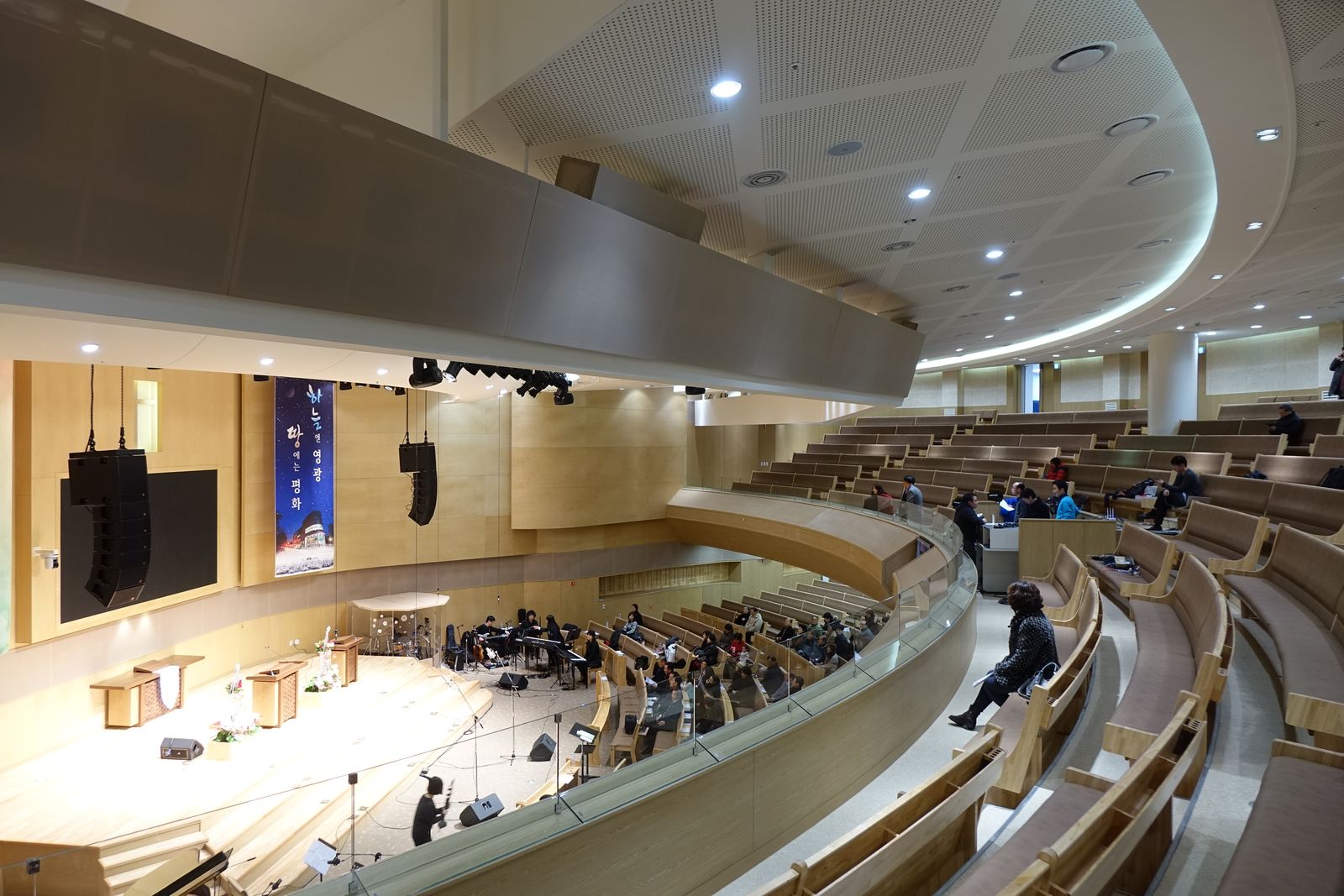
| Church choir performing | 최광모 | CC BY-SA 4.0 | Wikimedia Commons |
Funding and independence
First Pew has no commercial model: no ads, no affiliate links, no sponsored posts, no paywalled content, no paid placements — and no placeholder ad slots. There are no sponsors, partners, or revenue figures, and none are invented anywhere on this site. Comparisons of traditions, translations, and practices are descriptive, never evaluative: “who tends to fit where,” never “which is best.” " No funding, donation, grant, or in-kind support exists that could affect editorial choices; if that ever changes, it will be disclosed here and at the top of every affected page.
Corrections
Errors of fact are corrected promptly and transparently: the corrected text is updated and a dated correction note is appended to the page stating what changed and when. Corrections are never made silently on substantive claims; typo-level fixes need no note.
Report an error: email corrections@firstpew.example with the page, the claim, and (if you have it) a source. " Please note this address is a placeholder until the project publishes a monitored inbox — it is listed here so the corrections path is visible from day one.