Catholic · Orthodox · Protestant
Catholic, Orthodox, and Protestant: A Newcomer's Comparison
Observation window: 2026-09-25. Descriptive, not prescriptive: this piece describes how the traditions genuinely differ. It does not say which one is right — that's a question for you, not this page.
How to read this
Christianity's major families share the same core — the Trinity, Jesus' death and resurrection, the Bible as sacred text — but they organize authority, worship, and salvation differently. The descriptions below are how each tradition describes itself. "Who tends to fit where" is based on documented patterns of what each tradition offers, not a recommendation.
The three big families at a glance
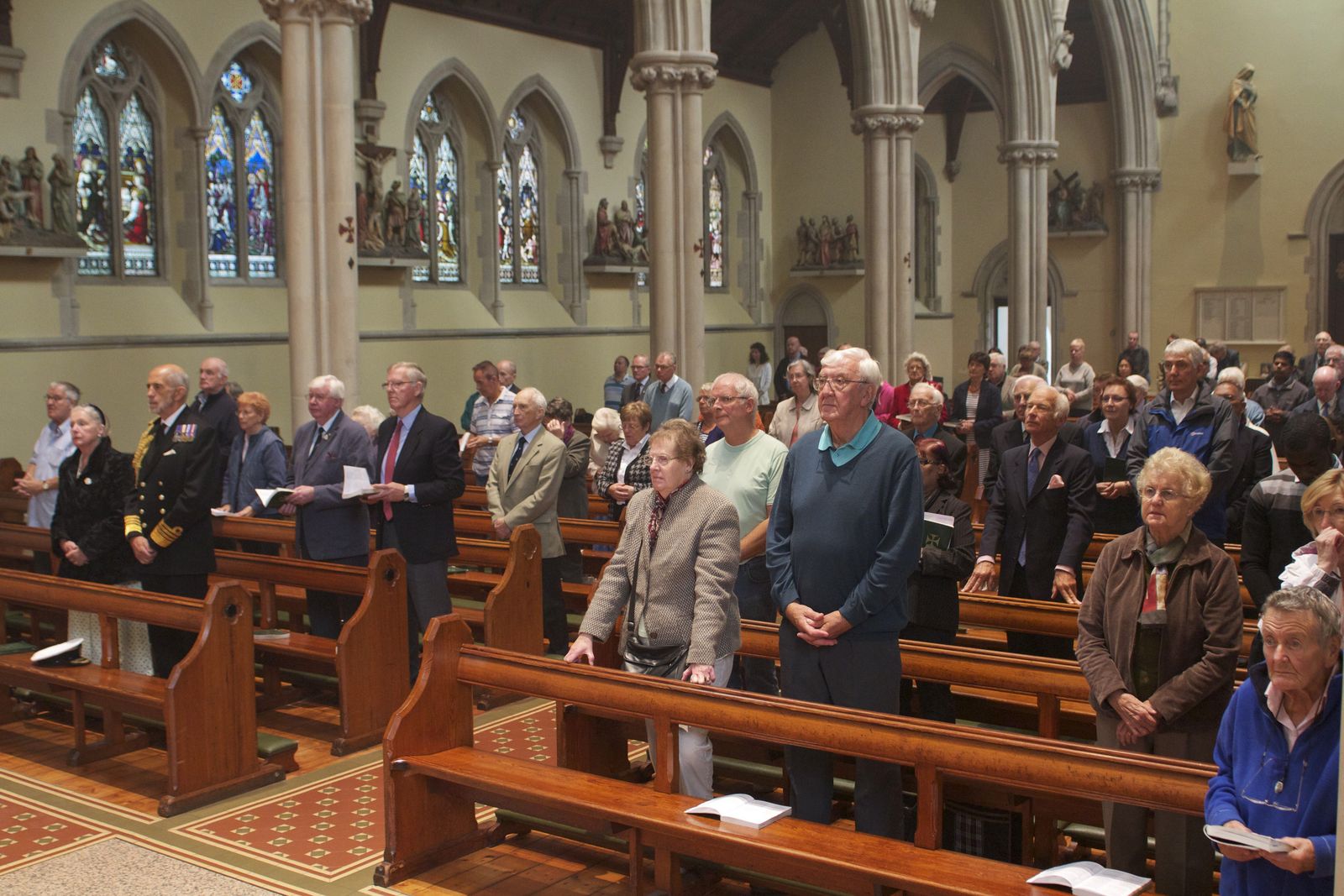
| Catholic | Eastern Orthodox | Protestant (family) | |
|---|---|---|---|
| Authority | The pope (as successor of Peter) + Scripture + Tradition, interpreted by the Church's teaching office (the Magisterium) | Ecumenical councils + Scripture + Holy Tradition; no pope | Scripture as the supreme authority (most); governance by bishops, elders, or congregations depending on the denomination |
| Origin story (self-described) | The original church, continuous from the 1st century | The original church; split with Rome in 1054 | 16th-century Reformation aimed at restoring the New Testament church, beginning with Luther's 95 Theses (1517) |
| Salvation | Grace through faith, expressed in the sacraments and works of charity | Grace; theosis — growing into likeness of God through the sacramental life | Grace through faith alone (most); whether baptism is a sacrament or a symbolic ordinance varies |
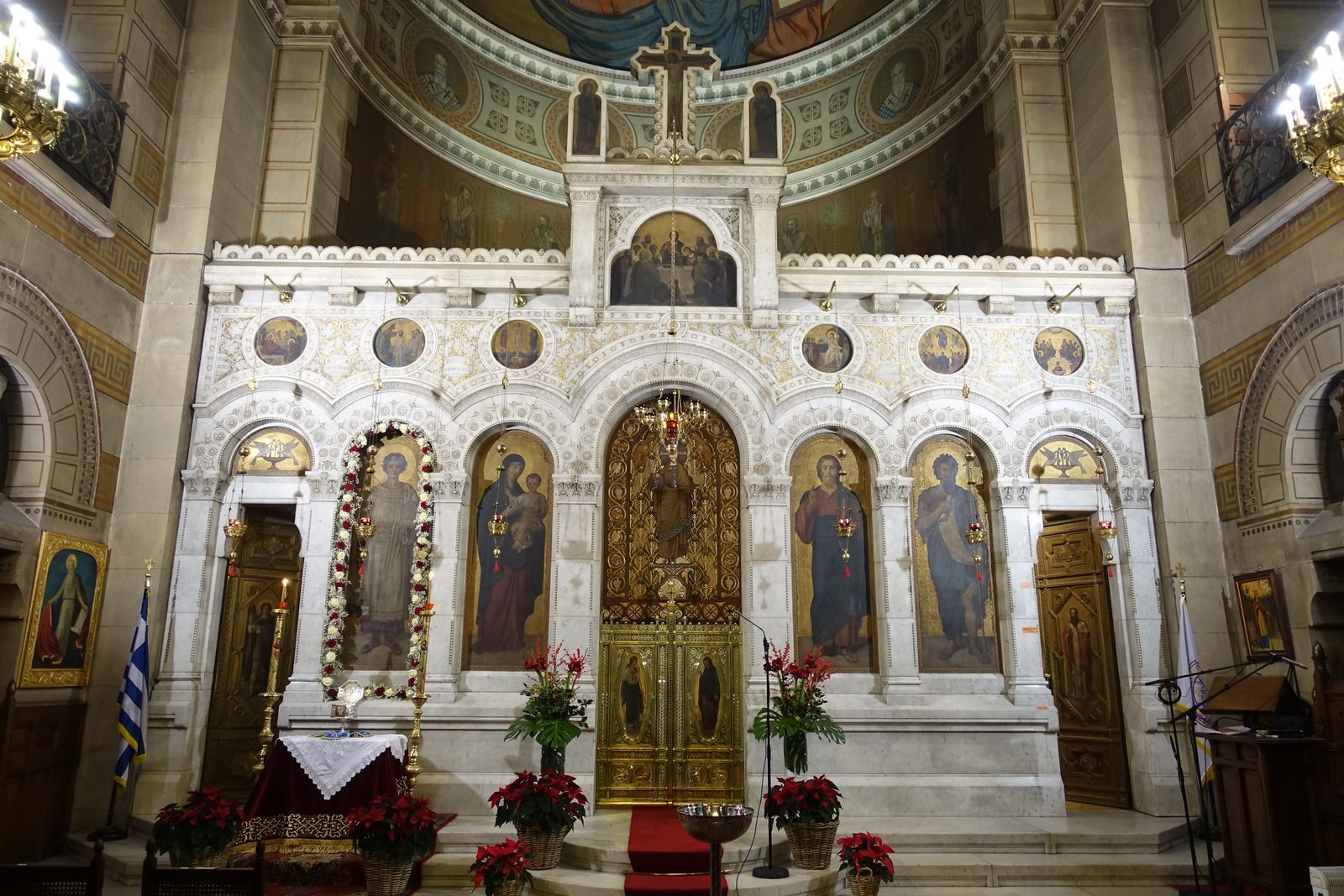
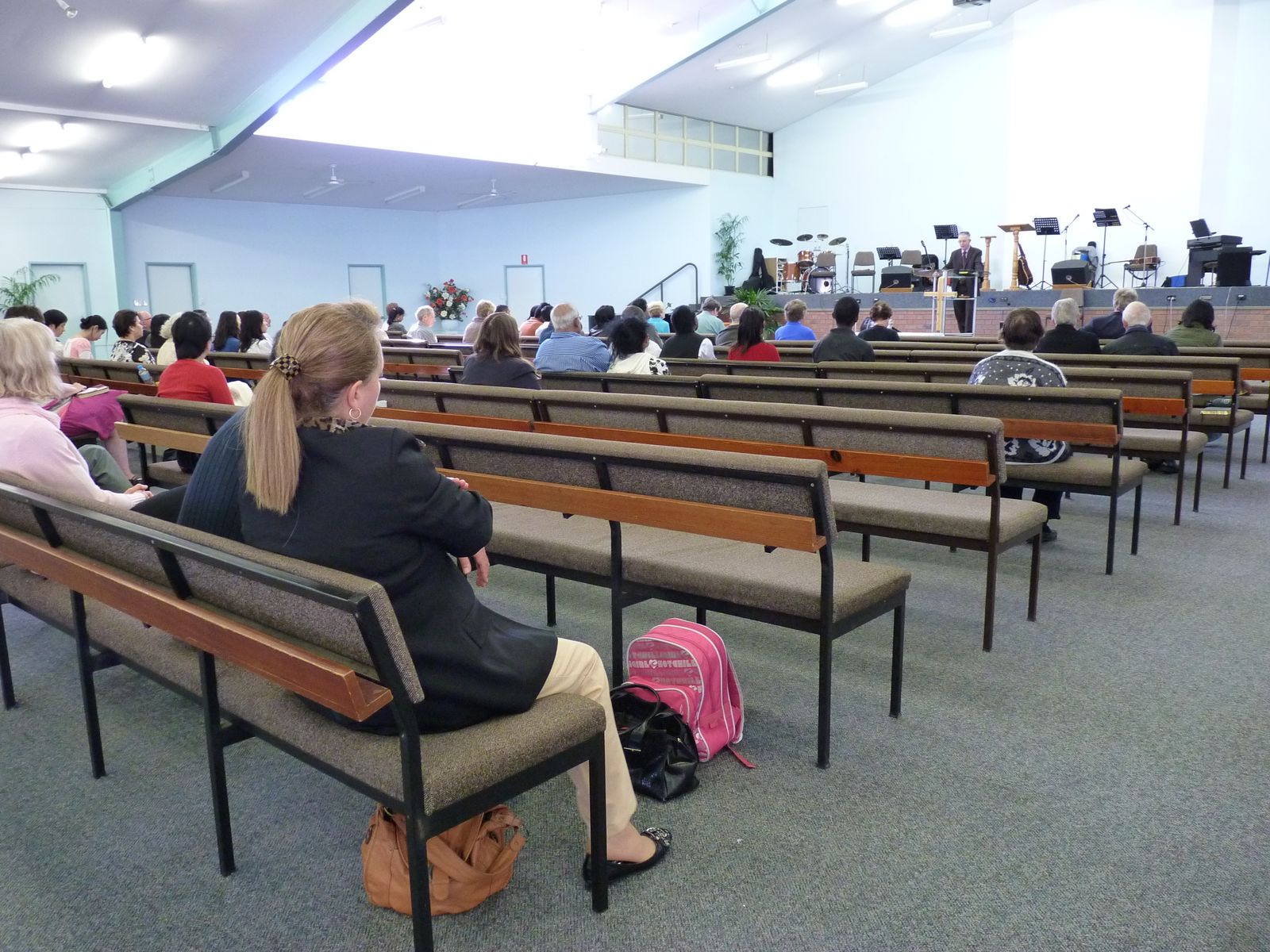
| Worship center | The Mass; the Eucharist understood as Christ's real presence (transubstantiation) | The Divine Liturgy; icons, incense, chant | Preaching of the Word + congregational singing; communion frequency varies widely |
| Clergy | Celibate male priesthood; religious orders (monks, nuns, friars) | Married parish priests allowed; monasticism central | Married clergy normal; varies by denomination |
| Mary & saints | Veneration of Mary and saints; Marian dogmas | Deep veneration of the Theotokos (Mother of God) and saints through icons | Honor but not veneration (most); some Anglican and Lutheran exceptions |
| Size (approx.) | ~1.406 billion (Vatican, 2023 data) | ~290 million incl. Oriental Orthodox (CSGC, 2020 data) | ~580 million + ~390 million Independents (CSGC, 2020 data) |
Inside Protestantism: the main sub-families
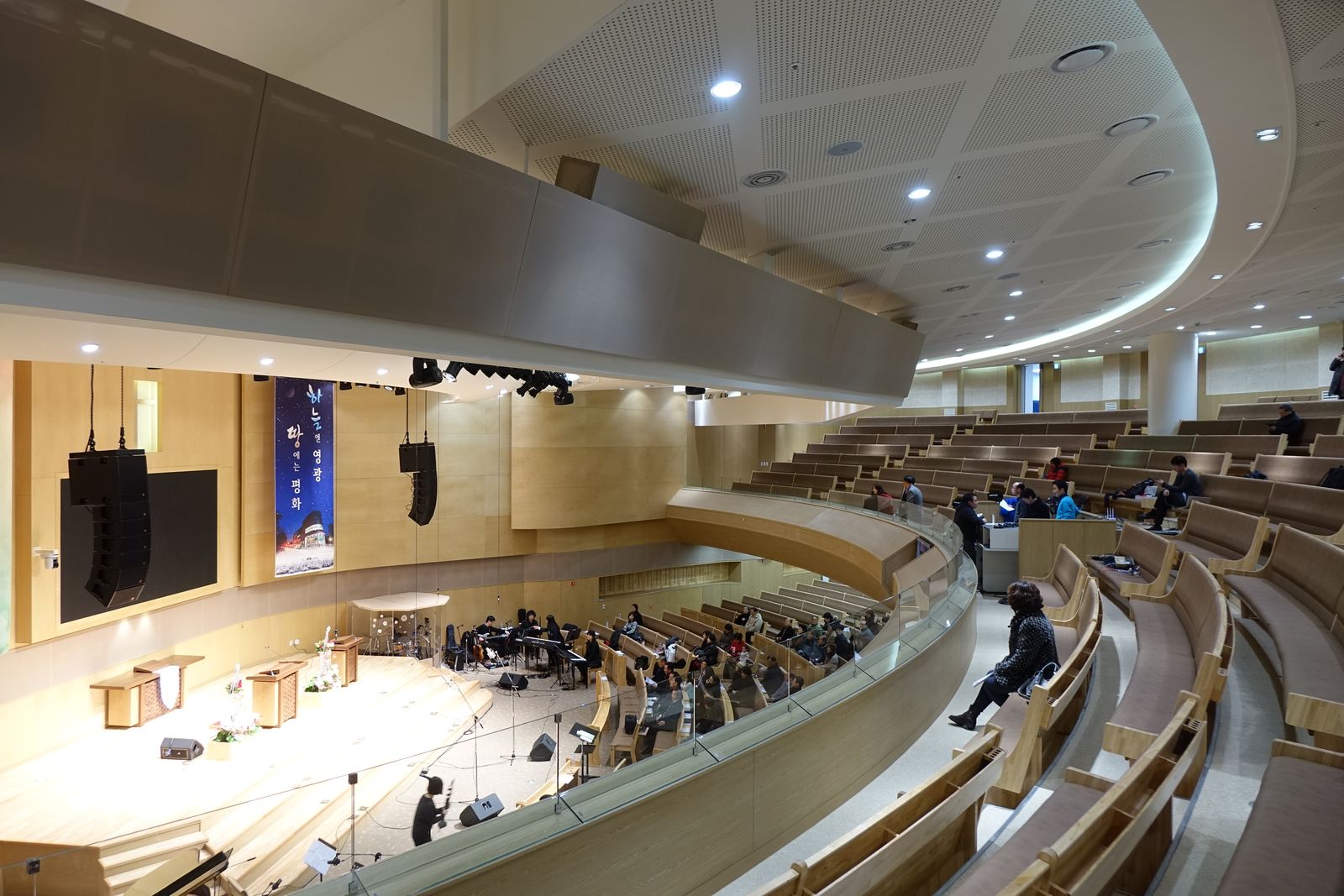
Protestantism isn't one thing. The major sub-families:
- Lutheran — justification by faith; liturgical worship retained from Catholicism.
- Reformed / Presbyterian — God's sovereignty; governance by elders.
- Anglican — a Protestant–Catholic blend with bishops and liturgy.
- Baptist — believer's baptism (not infants), local church autonomy.
- Methodist — grace, holiness, social justice.
- Pentecostal / Charismatic — the Holy Spirit's gifts (speaking in tongues, healing); expressive worship. The fastest-growing Christian segment globally (~644 million including charismatics, CSGC 2020).
- Anabaptist (Mennonites, Amish) — believer's baptism, simple living, historically pacifist.
- Restorationist (Churches of Christ, Disciples) — no creeds but the Bible; baptism for the remission of sins.
- Non-denominational — independent evangelical churches; the fastest-growing form in the US.
And outside the big three, a tradition many newcomers never hear of: the Oriental Orthodox (Coptic, Syrian, Armenian, Ethiopian, Eritrean, Malankara churches) — they accept the first three ecumenical councils but not Chalcedon (451), and are not in communion with Eastern Orthodoxy (World Council of Churches).
Where the arguments live
A few flashpoints, stated as each side would state them:
- Scripture vs. Scripture-plus. Protestants (mostly) hold sola scriptura — Scripture as the final authority. Catholics and Orthodox hold that Scripture must be read within the Church's living Tradition. This is the root of nearly every Catholic–Protestant argument.
- Faith vs. faith-plus-works. Protestants typically teach sola fide — salvation by faith alone. Catholics teach salvation by grace through faith, expressed in sacraments and charitable works — and regard "Catholics believe works = salvation" (a real comment-section strawman, Instagram, 2026-05-22) as a misrepresentation: "Catholics do not believe that good works earn your salvation" (Instagram, 2026-08-29).
- The Eucharist. Catholics and Orthodox believe Christ is truly present in the consecrated bread and wine. Most Protestants see communion as symbolic or spiritual — though Lutherans hold a "real presence" view of their own.
- Icons. Orthodox Christians venerate icons as windows to the divine; critics call it idolatry ("Yeah back to idolatry and bowing down to icons," Instagram, 2026-08-27). The Orthodox response: veneration is honor given to what the image represents, not worship of the object — a distinction codified over 1,200 years ago.
- "Are Catholics Christian?" — a recurring online question. Catholics and most Protestants and Orthodox answer yes; a vocal minority of Protestants answer no ("I was SAVED FROM CATHOLICISM …. By Jesus," Instagram, 2026-07-03). One folk answer circulates too: "Catholics are Christians because Christians mean mini Christ" (Instagram, 2026-07-03) — an etymology that's folk, not scholarly.
Who tends to fit where (descriptive tendencies)
These are observed patterns, not verdicts and not advice about what you should believe:
- Drawn to ancient continuity, structured liturgy, and a global authority? People with these leanings often end up Catholic or Orthodox. Note the difference: Catholic authority is centralized (the pope); Orthodox authority is conciliar (councils and tradition).
- Drawn to preaching, congregational singing, and local church independence? That's the mainstream Protestant evangelical / Baptist / non-denominational pattern.
- Want liturgy and Protestant theology? Anglican and Lutheran churches historically offer both.
- Want expressive, emotionally engaged worship and an emphasis on the Holy Spirit's gifts? Pentecostal and charismatic churches.
- Want simplicity, community discipline, and believer's baptism? Anabaptist and many Baptist churches.
- Coming from a Catholic or Orthodox background and exploring? The "conversion-in" stories are common too: "This was the reason why I became a catholic in 2004" (Instagram, 2026-07-30). And the reverse: "Orthodox Christianity is the way" (Instagram, 2026-05-22). Movement goes both directions.
Limitations
- Protestant sub-family sketches are thumbnail-level; each contains its own internal spectrum (e.g., "Baptist" covers dozens of distinct bodies).
- Precise current membership figures for individual denominations (Southern Baptist, United Methodist, Assemblies of God, etc.) were not collected — recorded as a research gap.
- Global headcounts conflict by source methodology: Pew counts self-identification in censuses/surveys (2.27B, 2020); CSGC estimates affiliation (2.5B, 2020); Vatican counts baptismal records (1.406B Catholics, 2023). Always compare like with like.
- Community quotes are English-language social media; not representative of global Christianity.
- Images are Western-photographer-skewed.
Source notes
- Vatican statistics: Annuario Pontificio 2025 / Annuarium Statisticum Ecclesiae 2023, via ACI Africa (2025-03-27) and EWTN (2025-03-21): 1.406B Catholics.
- CSGC "Status of Global Christianity 2024" table (via thetravelingteam.org PDF mirror, retrieved 2026-09-25): Catholics 1.240B (2020-data), Protestants 586M, Independents 390M, Orthodox 292M; Pentecostals/Charismatics 644M.
- Pew Research Center global landscape report (published June 2025, 2020 data), via TBS News (2025-06-11): 2.27B.
- WCC (oikoumene.org): Oriental Orthodox family description (six churches; first three councils; not Chalcedon).
- Vatican Catechism (vatican.va): catechesis definition.
- Denomination sketches cross-checked against christianityfaq.com (retrieved 2026-09-25) and videobible.com (retrieved 2026-09-25) — both carry a Protestant/devotional slant, so wording was rewritten neutrally and core facts treated as standard reference material.
- Community quotes: verbatim from public comment threads and forums.
- Images:
images/catholic-mass.jpg(public domain),images/orthodox-interior.jpg(CC BY 2.0),images/protestant-worship.jpg(CC BY-SA 4.0) — all via Wikimedia Commons; see the image credits on the methodology page.